



Georgia's EU Accession Journey - David Bujiashvili | 2025 Episode 19
Description
This episode of The IR thinker asks what Georgia’s EU integration really means for democracy, regional security and great power competition, in conversation with David Bujiashvili. The discussion traces the historical and normative drivers behind Georgia’s European choice, the EU’s response to Tbilisi’s membership application, and how narratives around democracy, the rule of law and human rights are communicated – or distorted – at home, including via Russian disinformation. We look at early reform challenges, the current stage of the accession process and why it has stalled, as well as the practical impact of the Association Agreement, the DCFTA and visa liberalisation. The episode also examines the future of Abkhazia and South Ossetia, the lessons Georgia has drawn from Central European accessions, the effects of the war in Ukraine, and how shifting roles of Russia and China in the South Caucasus feed back into EU–Georgia relations and the Union’s own enlargement strategy.
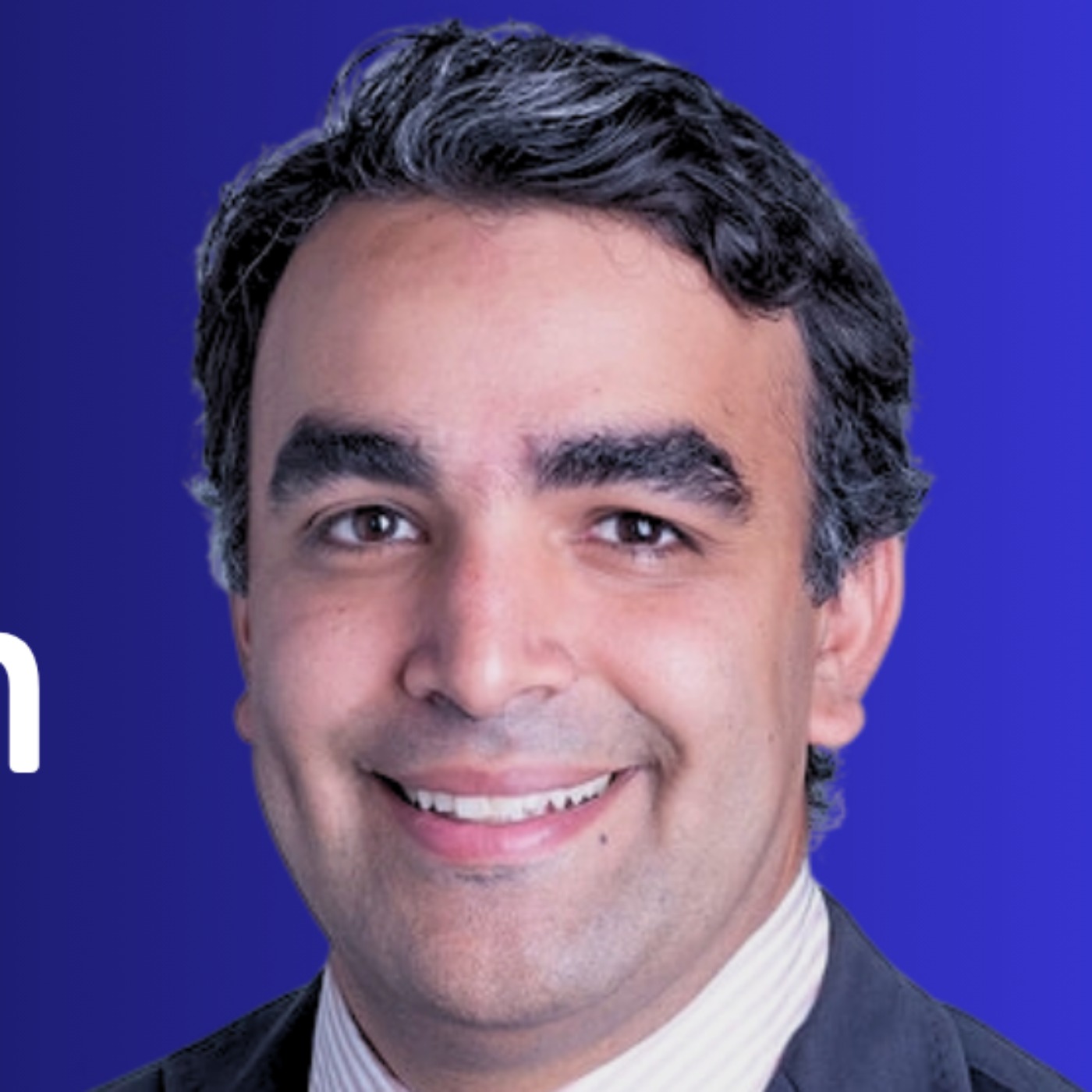
David Bujiashvili
David Bujiashvili is a distinguished expert on European affairs with more than 25 years of experience in EU integration and assistance coordination. He holds a PhD in Economics and a Master’s in International Economic Relations, combining academic depth with extensive diplomatic and policy practice.
At the Ministry of Foreign Affairs of Georgia, he served as Director of the EU Assistance Coordination and Sectoral Integration Department, where he played a pivotal role in overseeing the implementation of the EU–Georgia Association Agreement and the Deep and Comprehensive Free Trade Area (DCFTA). His work focused on aligning Georgian legislation with the EU acquis, ensuring inter-institutional coordination through sectoral working groups, and drafting key EU-related strategies and action plans.
Dr Bujiashvili has chaired Association Committees and Sub-Committees in negotiations with the European Commission, coordinated Georgia’s EU Accession Questionnaire (2021–2022), and organised strategic communication and public outreach campaigns on EU integration. He has also worked extensively with civil society and the business community on sectoral reforms, while serving as focal point for major EU assistance tools such as Twinning, TAIEX, SIGMA, INTERREG, and anti-fraud mechanisms in cooperation with OLAF.
Publications:
EU-Georgia Association Agreement and Visa Liberalization Under Question
Content
00:00 – Introduction
02:37 – Historical and Normative Drivers of Georgia’s EU Integration
14:10 – EU Response to Georgia’s Membership Application
17:01 – Democracy, Rule of Law, and Human Rights Narratives
18:26 – Public Access to EU Information During Accession
21:22 – Example of Russian Disinformation Campaigns
23:31 – Early Challenges of Reform and Implementation
26:19 – Current Stage of Georgia–EU Accession
29:37 – Why Has the Accession Process Stalled?
32:32 – Georgian Representation in the EU Today
34:56 – The Future of Abkhazia and South Ossetia
37:03 – Deep and Comprehensive Free Trade Area (DCFTA)
39:34 – EU Visa Liberalisation and Georgia
43:17 – Learning from Central European EU Accession Experiences
45:26 – Forms and Practice of Regional Cooperation
48:03 – Impact of the War in Ukraine
50:37 – Russia’s Changing Role in the South Caucasus
52:32 – China’s Influence on EU–Georgia Relations
54:02 – Lessons for the EU from Georgia’s Accession Experience
Hosted on Acast. See acast.com/privacy for more information.


















 United States
